As parents, we constantly seek the best ways to protect our children and ensure their healthy development. We closely monitor their diets, encourage daily exercise, and enforce strict brushing routines before bedtime. Despite our best efforts, cavities still threaten young, developing smiles. Tooth decay ranks among the most common childhood conditions, often leading to pain, missed school days, and expensive treatments. We want to help you prevent these problems before they start, so we recommend a highly effective preventive measure: dental sealants.
Many families ask us if adding another step to their child's dental care routine truly makes a difference. We completely understand that concern. Navigating the world of pediatric dentistry can feel overwhelming, especially when we weigh the costs and benefits of various treatments. We believe that informed parents make the best decisions for their families. By explaining how sealants work, outlining their protective benefits, and walking you through the application process, we help you decide if sealants belong in your child's oral hygiene plan.
Understanding the Mechanics of Dental Sealants
To understand why dental sealants matter, we need to examine the anatomy of a child's mouth. Human teeth—especially the molars and premolars at the back—have rough, uneven surfaces. These chewing surfaces feature deep grooves and pits that grind up food but also create ideal hiding spots for leftover food particles and harmful bacteria. Even the most diligent brushers have trouble cleaning these tiny crevices because standard toothbrush bristles cannot reach deep enough to sweep away hidden plaque. Hidden bacteria produce acids that gradually erode tooth enamel and cause cavities.
Dental sealants give a practical, physical solution to this anatomical challenge. A sealant forms a thin, protective coating from medical-grade dental materials. We apply this liquid coating directly onto the chewing surfaces of the back teeth, where it flows into the deep grooves and hardens quickly. Think of sealants as custom-fitted raincoats for your child's molars. By smoothing out the rough chewing surfaces, sealants lock out food and plaque. This physical barrier keeps bacteria from settling into the pits, stops decay in its tracks, and keeps the underlying enamel safe and intact.
Why Molars Need Extra Attention
- Deep Fissures: The grooves on molars trap sugars and starches easily.
- Difficult Access: Children often lack the manual dexterity to brush their back teeth thoroughly.
- Constant Use: Molars handle the brunt of our chewing, making them highly susceptible to wear and tear.
The Long-Term Protective Benefits for Growing Smiles
Clinical data clearly show dental sealants deliver powerful protective benefits. The Centers for Disease Control and Prevention (CDC) states that sealants prevent 80% of cavities in back teeth during the first two years after application. They continue blocking 50% of cavities for up to four years. We find these statistics remarkable because they show a drastic reduction in the risk of tooth decay. When we prevent cavities, we also avoid more invasive, stressful, and costly dental procedures down the road, such as fillings, crowns, or root canals.
Sealants also give families significant financial benefits. Applying a sealant costs much less than treating a cavity. When a child develops a cavity, restorative work demands more time in the dental chair, may require local anesthesia, and increases out-of-pocket expenses. Severe decay can cause dental emergencies that disrupt your family's daily life and make your child suffer unnecessary pain. When we prioritize preventive care, we help you save money over time and shield your child from the anxiety and discomfort that come with extensive dental repairs.
Key Advantages of Sealants
- Pain Prevention: Stops the decay that leads to painful toothaches.
- Cost-Effective: Costs significantly less than restorative dental fillings.
- Anxiety Reduction: Keeps kids out of the dental chair for invasive treatments, building a positive relationship with dental visits.
- Durable Protection: Withstands the daily force of normal chewing for several years.
The Simple and Painless Application Process
We frequently hear from parents who worry that the sealant application might hurt or frighten their child. We reassure you that the entire procedure stays painless, quick, and non-invasive. We never use drills or administer numbing injections. The process takes only a few minutes per tooth, so you can easily add it to a routine dental cleaning and exam. Our team explains each step to your child, helping them feel comfortable and relaxed throughout the visit.
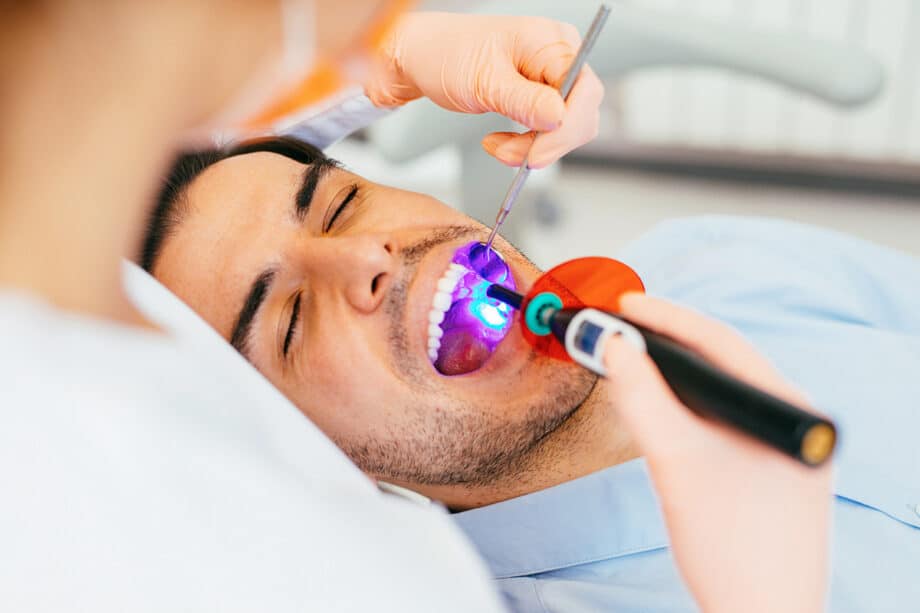
The application process uses a few straightforward steps. First, we thoroughly clean and dry the target teeth. Next, we apply an acidic gel to the chewing surfaces for a few seconds. This mild gel gently roughens the tooth enamel at a microscopic level to help the sealant form a strong, durable bond with the tooth. After rinsing and drying the tooth again, we paint the liquid sealant onto the grooves. Finally, we use a specialized blue curing light to harden the material instantly. Your child can eat and drink normally right after the appointment. Sealants last for many years, and we monitor their condition during regular checkups so we can easily reapply them if they wear down over time.
Steps in the Sealant Process
- Preparation: Thoroughly cleaning and drying the molar.
- Conditioning: Applying a gentle etching gel to help the sealant bond.
- Application: Painting the thin sealant resin onto the tooth grooves.
- Curing: Hardening the liquid resin with a special blue light.
Securing a Healthy Foundation for Adulthood
When we decide whether dental sealants are worth it, we focus on proactive healthcare. We believe preventing problems always beats treating them. Sealants serve as a safe, cost-effective, and painless shield against the most common childhood dental issue. If we take this simple preventive step today, our children have the best chance of growing up with strong, healthy, and cavity-free smiles. When we protect those vulnerable back teeth, we help your child chew properly, speak clearly, and smile confidently for years to come.
Frequently Asked Questions About Preventive & Diagnostic Dentistry for Children
At what age should we consider getting sealants for our child?
We apply sealants as soon as your child's permanent molars come in. The first permanent molars usually erupt around age 6, and the second permanent molars follow around age 12. Sealing these teeth right away provides the most protection, since they are most vulnerable to decay just after they break through the gums. We also recommend sealants for older children and teenagers at high risk for cavities.
Are dental sealants safe for my child's health?
Yes, dental sealants provide a very safe option for protecting your child's teeth, and major health organizations, including the American Dental Association, strongly endorse their use. Some parents worry about bisphenol A (BPA) in dental materials. Still, any sealant resin containing trace amounts of BPA exposes children to levels far lower than those they encounter in daily life from food packaging or dust. The overwhelming benefits of preventing tooth decay far outweigh these extremely small risks.
How long do dental sealants typically last?
Sealants typically last up to nine years when your child chews normally. The exact lifespan depends on your child's chewing habits and diet. If your child grinds teeth or chews on hard items like ice, the sealants may wear down faster. We check your child's sealants during every routine six-month checkup. If we find any chipping or significant wear, we easily and quickly touch up or replace the protective coating.
Do sealants replace the need for brushing and flossing?
Not at all. Dental sealants protect only the chewing surfaces on the back teeth. They do not protect the smooth surfaces on the front and back of teeth or the tight spaces between teeth. We continue to enforce strict oral hygiene habits at home. Your child needs to brush twice a day with fluoride toothpaste and floss daily to remove plaque from areas that sealants cannot cover.
Does dental insurance cover the cost of pediatric sealants?
Most dental insurance plans cover sealants in full or in part for children under 18 because they value prevention. We recommend checking with your specific insurance provider so you understand your coverage details, limitations, or age restrictions. Our front office team gladly helps you navigate your benefits and gives you a clear estimate of any out-of-pocket costs before we start treatment.
At Dream Smiles Pediatric Dentistry of Gaithersburg, we provide compassionate, high-quality dental care for children and adolescents. We create a welcoming, stress-free environment where kids learn to love their smiles and parents feel confident making oral health decisions for their families. If you have questions about preventive care or want to schedule an appointment, please contact us.